Starting your career as a California real estate agent is exciting—but success doesn’t happen by accident. New agents who build strong prospecting habits and consistent lead-generation systems early are far more likely to survive their first year and grow a profitable business.
Getting involved in your community, setting clear goals, and staying organized are all essential steps for any estate agent looking to thrive in the real estate world. Starting a new career in real estate requires careful planning and a willingness to learn. Creating a business plan is crucial to guide your growth and decision-making as a new agent. Seeking out an experienced mentor can provide valuable industry insights and support as you navigate your first year.
This guide breaks down proven prospecting and lead generation strategies for new California real estate agents, with practical steps you can implement immediately.

Introduction to Real Estate Success
Becoming a successful real estate agent in California is about more than just passing your licensing exam—it’s about building a strong foundation for your real estate business from day one. The real estate industry is highly competitive, and new real estate agents often face challenges as they work to establish themselves and stand out. However, with the right mindset, a commitment to ongoing learning, and a focus on time management, new agents can set themselves up for a successful real estate career. Getting involved in your community, setting clear goals, and staying organized are all essential steps for any estate agent looking to thrive in the real estate world. By embracing these strategies, new agents can overcome common hurdles and start building a business that lasts.
How New Real Estate Agents Generate Leads in California
New agents succeed by focusing on daily, repeatable activities rather than waiting for referrals to show up. The most successful California agents combine personal outreach, online marketing, and local visibility to create multiple lead sources.
The key is consistency—not perfection.
Education and Professional Development
In the fast-paced real estate industry, continuous education and professional development are key to long-term success. The most successful real estate agents understand that the market is always changing, with new laws, technologies, and best practices emerging regularly. To stay competitive, agents should invest in their real estate business by attending industry workshops, conferences, and training sessions. Pursuing additional certifications and designations not only enhances your knowledge but also boosts your credibility with clients. Many agents also benefit from finding experienced mentors who can offer guidance and share valuable insights about the real estate business. By prioritizing professional development, agents can stay ahead of market trends and deliver exceptional service to their clients.
Tip #1: Start With Your Sphere of Influence
Your sphere of influence includes people who already know, like, and trust you: friends and family, former coworkers, neighbors, and social media connections. Many new agents avoid this step, but it is often the highest-converting lead source.
Action steps:
- Create a contact list of at least 100 people.
- Announce your license professionally (not salesy).
- Follow up every 30–60 days with something helpful.
Example message: “I’ve officially started my career as a California real estate agent. If you or anyone you know has questions about buying or selling, I’m happy to help.”

Tip #2: Master One Prospecting Method Before Adding More
New agents often fail because they try to do everything at once. Instead, choose one primary prospecting method and commit to it for 90 days.
Popular options for California agents include phone calls (expired listings and FSBOs), cold calling, open houses, door knocking (where permitted), social media content, and online ads, as well as forming relationships with other professionals such as home inspectors, lenders, and title companies.
Consistency beats complexity.

Tip #3: Use Open Houses as a Lead Generation Machine
Open houses are one of the best lead generation tools for new agents, especially in California’s competitive markets. You don’t need your own listings—ask experienced agents in your brokerage.
Best practices:
- Host open houses every weekend (or as often as possible).
- Capture contact information digitally.
- Follow up within 24 hours.
- Add visitors to a long-term follow-up system.
Open houses can create buyer leads, seller leads, and real local market credibility fast.
Tip #4: Build a Simple Follow-Up System
Most real estate deals happen after multiple follow-ups, yet many new agents stop after one or two. You don’t need fancy software at first—just a consistent process.
Minimum follow-up system:
- Use a CRM or a simple spreadsheet to track contacts.
- Do weekly check-ins for active leads.
- Send monthly value emails or messages.
- Do quarterly personal outreach to your sphere.
Agents who follow up win—even if they are new.
Tip #5: Use Social Media to Build Authority
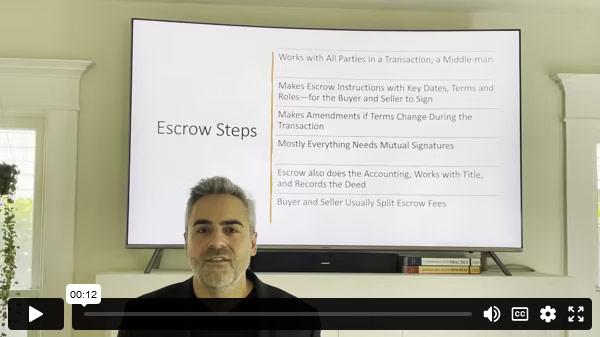
Social media works best when used to educate, not just to entertain. Sharing valuable content on social media helps you develop a strong personal brand, setting you apart from other agents. Tailor your content to your target audience to maximize engagement and attract the right clients. Post content that answers real questions California buyers and sellers ask, such as how much money you need to buy a home, what escrow means, and how long it takes to close.
This positions you as a trusted local expert, even before your first sale.
Tip #6: Learn Basic Local Market Stats
You don’t need to be a data analyst, but you should know key local stats like average prices, days on market, and inventory levels, and understand the market inside and out to provide even greater value to your clients. When prospects trust your knowledge, they trust you with their transaction.
Tip #7: Track Your Numbers
Real estate success is a numbers game. Tracking your numbers at each stage of the sales process helps you identify strengths and areas for improvement. Track your calls made, conversations, appointments set, and clients signed. This removes emotion and shows exactly what’s working.
Time Management and Organization
Effective time management and organization are crucial for real estate agents who want to maximize productivity and minimize stress. With a busy schedule that often includes showings, paperwork, and client meetings, it’s important for agents to prioritize tasks and set clear daily and weekly goals. Utilizing calendars, to-do lists, and project management tools can help agents stay focused and ensure nothing falls through the cracks. Good time management also allows agents to make the most of opportunities to attend community events, open houses, and networking events—key activities for building relationships and generating new leads. By staying organized and managing their time wisely, agents can provide better service to their clients and grow their real estate business more efficiently.
Community Involvement
Active community involvement is a powerful way for real estate agents to build a strong reputation and expand their network. By participating in local events, joining community organizations, and volunteering, agents can connect with potential clients, other real estate agents, and a variety of other professionals such as lenders and contractors. These relationships are invaluable for generating referrals and staying informed about local market trends. Engaging with the community also provides opportunities to share market insights and valuable content, both in person and through social media platforms. By consistently showing up and contributing to their community, agents can establish themselves as trusted experts and go-to resources in the real estate market.
Goal-Setting and Accountability
Setting clear, actionable goals is essential for any real estate agent aiming to build a successful business. By creating specific, measurable, achievable, relevant, and time-bound (SMART) goals, agents can focus their efforts and track their progress over time. Accountability is equally important—whether it’s through working with a mentor, joining a real estate team, or participating in an accountability group, having someone to check in with helps agents stay on track and motivated. Regularly reviewing and adjusting goals ensures that agents stay informed about the latest trends in the real estate industry and can make informed decisions to keep their business moving forward. With strong goal-setting and accountability practices, agents can achieve more, build confidence, and deliver better results for their clients.
Common Mistakes New California Agents Make
Avoid these early pitfalls:
- Waiting for referrals instead of prospecting.
- Overpaying for leads before mastering follow-up.
- Switching strategies too often.
- Avoiding uncomfortable conversations.
- Focusing on commission instead of skill-building.
Final Thoughts: Consistency Creates Confidence
Every successful California real estate agent started exactly where you are now. If you focus on daily prospecting, consistent follow-up, learning your local market, and providing real value, you build momentum—and momentum builds confidence, clients, and income.